Sofa
The excitement of Christmas can have a negative effect on a child’s behaviour

Young children do not yet have a sense of time or sufficient understanding of how the world works, so the changes to their daily routine brought about by the festive season can upset their sense of security, which may result in them becoming more prone to tantrums, more clingy, or even more withdrawn. They need our emotional support to be able to adapt to these changes properly and to truly enjoy a cosy Christmas.
The festive season is drawing near. The preparations are beginning, and we’re getting into the Christmas spirit; with this, our usual daily routines are also undergoing a temporary change. As much as we all look forward to spending time together, it can come as quite a surprise if our young child doesn’t respond to all this with the carefree cheerfulness we’d expected. Even small changes to the daily routine can easily disrupt young children’s usual in his behaviour, and as parents, it is best for us to be prepared for this. They do not yet have a sufficient sense of time or understanding of the world, so a predictable daily routine helps to give them a sense of security. If this routine is disrupted, their emotional balance may also become more unstable.
This does not mean that we should shy away from the new experiences the festive season brings, as children are capable of adapting; however, our appropriate support and patience can play a key role in this regard. It is important to recognise and understand the emotional background behind any behavioural changes that may arise, and to respond to events in a way that provides the child with as much emotional security as possible. After all, behaviour is merely the surface; deep down, it is always driven by some underlying emotion.
Behaviour is merely the tip of the iceberg
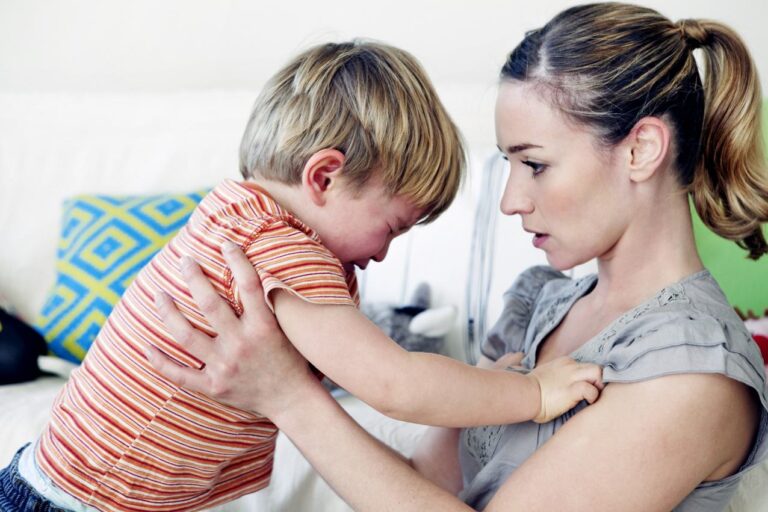
Young children’s tantrums or aggressive behaviour can be extremely frustrating for us. They often occur suddenly, unexpectedly and uncontrollably, which can make us feel uncertain, irritated and, at times, angry. However, we must not forget that during their first few years, children are not yet able to control their emotional outbursts adequately. Their behaviour is not deliberate or conscious, but triggered by strong emotions, and it is precisely these emotions that we should focus on we must respond.
Melissa Hood, Real parenting for real kids In his book of the same title, he illustrates all this using the metaphor of an iceberg: the tip, which is above the waterline, is certainly spectacular, but by no means reveals the whole truth – that is, the behaviour; however, a much larger part of the iceberg lies hidden beneath the water, and is almost invisible. The latter symbolises the emotions that trigger that behaviour. Children may feel uncertainty, mistrust, fear, disappointment, anger and helplessness as a result of an unexpected change in circumstances, as they usually have no say in what happens.
They want to rid themselves of these kinds of negative emotions as quickly as possible, and the most obvious solution for them is to adopt some form of intense behaviour: crying, shouting, thrashing about, running about, or perhaps increasingly defiant behaviour towards their parents. Their behaviour is, in fact, a cry for help. And if, in response, they are met with rejection from us, without the slightest sign of empathy, then their inner tension and undesirable behaviour will only intensify further.
Creating a sense of emotional security
A predictable daily routine is important for young children, but the emotional security we provide is even more important. We can help them prepare for the unexpected, put their emerging negative feelings into words, and accept and find appropriate ways to express them. When we merely react to their tantrums, it is as if we are treating the symptoms, which will keep returning until the underlying problem – which lies in their emotions – is resolved. However, when we examine these emotions closely, clarify the reasons behind them, and strive to resolve them, our child will find it easier to move past them. They feel heard and understood by us, because the younger they are, the less able they are to work out for themselves why they feel the way they do. This is where we need to be there to help them; the development of their adaptability also depends on the emotional support we provide.
Let’s have a chat and tell them all about the festive season, the traditions and what’s in store, so that they can be as well prepared as possible and enjoy the time we spend together to the full. They may not understand everything or be able to picture it realistically, but it will still give them the chance to adapt when the time comes. The out of uncertainty Of course, behavioural changes may still occur despite this, as the stimuli arising from visits, public health regulations, extended bedtimes, the sea of festive lights and mountains of biscuits will have a significant impact on children, particularly those aged 2–5.
The most important thing, however, is that in this case too, we should pay more attention to their feelings than to their behaviour, as that is where the root of the problem lies. Let us recognise and be understanding of their insecurity, their sense of helplessness and their desire for self-assertion, at least as much as we do of their festive excitement. Emotional security will lay the foundations for children’s adaptability and emotional stability, and, through these, for a cosy family Christmas celebration.
Originally published on: divany.hu, 7 December 2021.